
The concept of the rock opera is nothing new to music. The likes of Pink Floyd’s The Wall and MCR’s The Black Parade(my heritage is showing, isn’t it) all follow this same basic concept: an album where all the songs relate to a common theme or story. As concept albums go it’s quite a basic structure, and as film adaptations go it’s a prime candidate for the silver screen. However, 2008’s Repo! The Genetic Opera takes an interesting approach to this concept by being a literal opera – most of the film’s dialogue is sang, to mixed results. But is this film worth a look? Let’s check it out.
Background
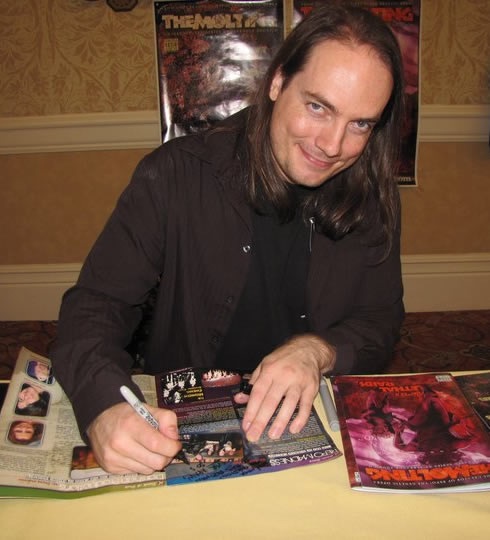
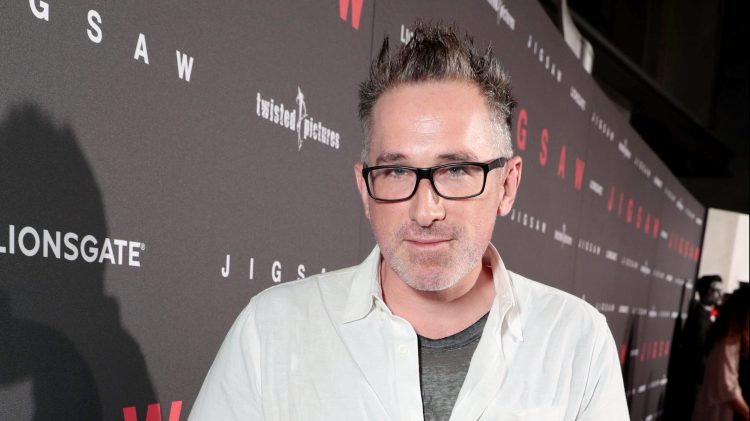
The brainchild of Terrance Zdunich, a comic book artist and singer, and Darren Smith, the idea was based on a friend of Smith’s who went bankrupt, inspiring him to imagine a world where one’s body parts could be repossessed. Teaming up with Zdunich, the pair created a ten-minute opera called The Necro-Merchant’s Debt. Getting in contact with Darren Lynn Bousman, direction of several films in the Saw franchise, the concept grew into Repo!
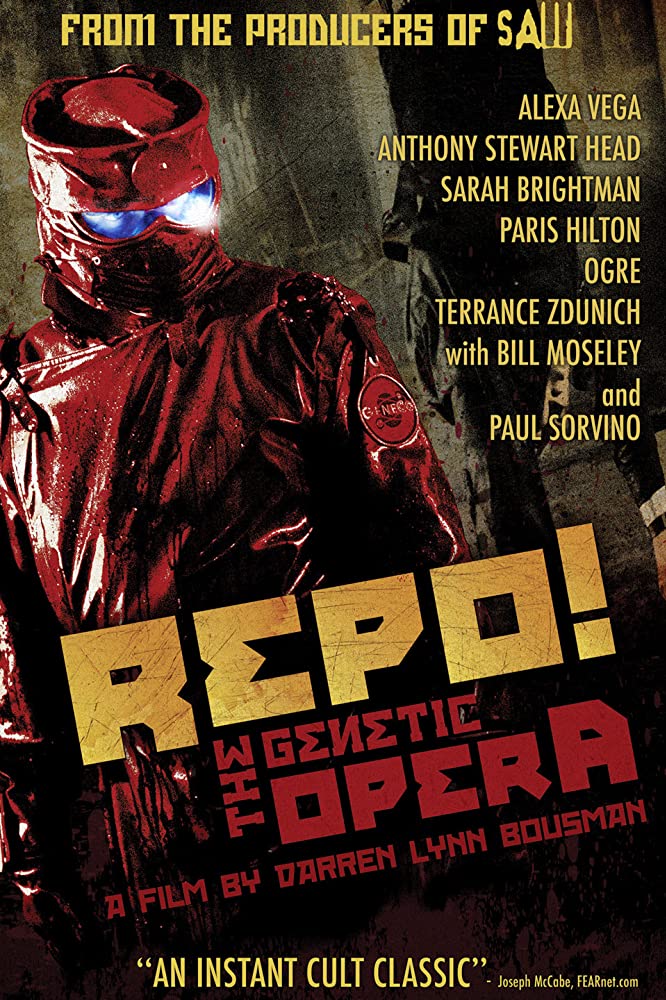
Out from the night, from the mist steps a figure, no one really knows his name for sure…
The opening lines of the film, with the Graverobber’s “Genetic Repo Man”
Plot
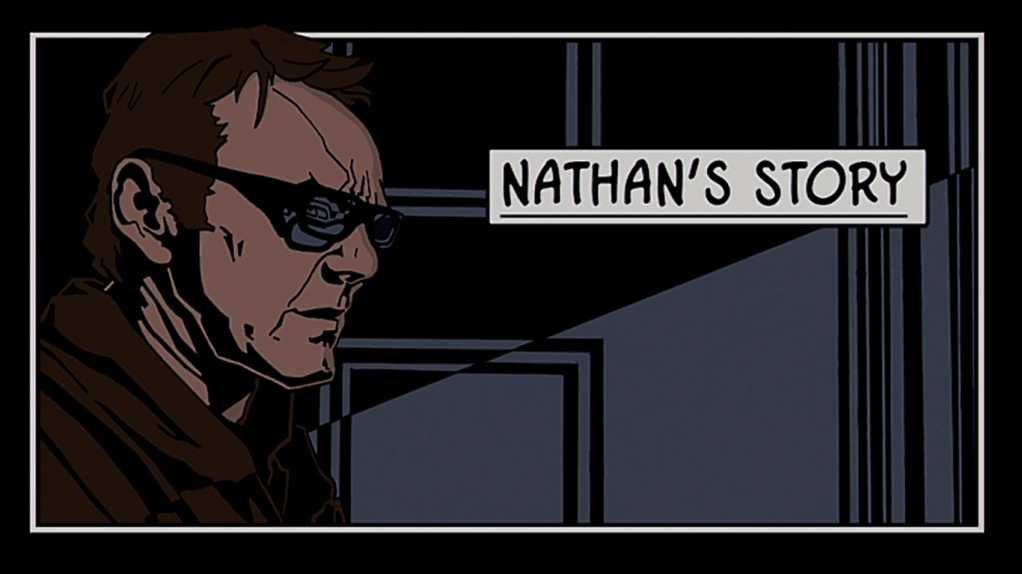
Set in 2057, an epidemic of organ failures led to a company called GeneCo, headed by Rotti Largo, to begin offering “on-loan organs” for cheap. This developed into a new industry – organs as a fashion statement. However, to keep the populace in check Geneco hires the Repo Men to violently repossess their property, should they miss a payment.The plot of the film deals with Nathan Wallace, a doctor who is blackmailed by Rotti into being a Repo Man, and his daughter Shilo, whom Nathan keeps locked under lock and key. Shilo’s mother, Marni, died due a drug Nathan made her while she was in labour, making him fiercely protective of Shilo. Unbeknownst to Nathan, Rotti had the drug poisoned while framing Nathan for Marni’s death. Diagnosed with the ever mysterious “cough of fatal death” and dissatisfied with his three children’s constant bad press and immaturity, he picks Shilo to inherit GeneCo upon his death. Also involved in the plot is Blind Mag, a family friend of the Wallaces and Shilo’s godmother. Mag was born blind, but was given cybernetic eyes by GeneCo in exchange for a lifetime contract as a singer for them. Rotti, fearing she will rebel, orders Nathan to “recollect” on her debt, knowing the connection between the pair.
There are several other characters involved in the story – Rotti’s daughter, the vapid and idiotic Amber Sweet (fun fact, Paris Hilton was originally laughed out of the audition for this role, and by Christ does it show), the Graverobber acting as the narrator and occasionally running into Shilo, and the Largo Brothers, the short tempered and explosive Luigi and the womanising and sleazy Pavi, who argue about their inheritances in the utterly hilarious “Mark It Up” number – but they are merely window dressing, and in some cases I find they are out of place or hurt the drama of a scene.
Casting
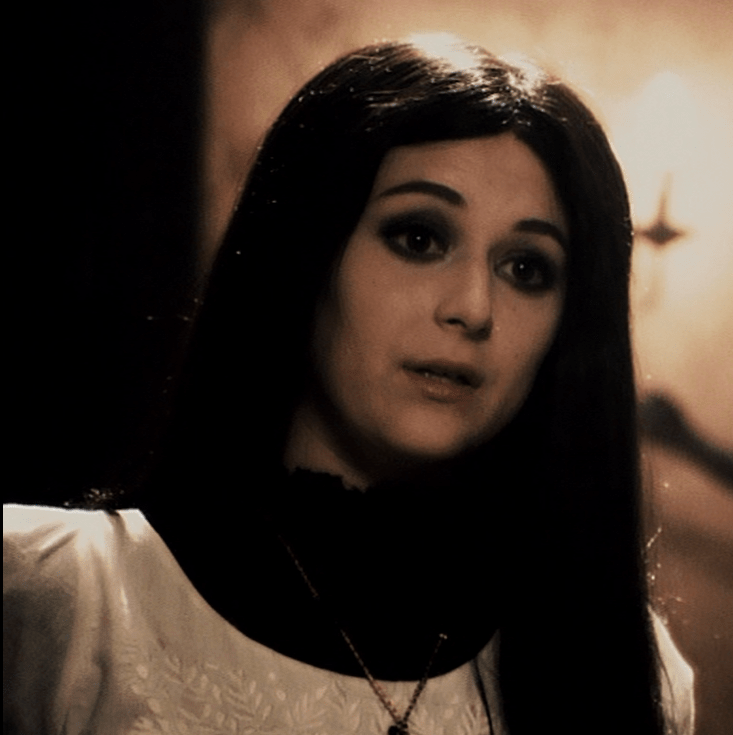
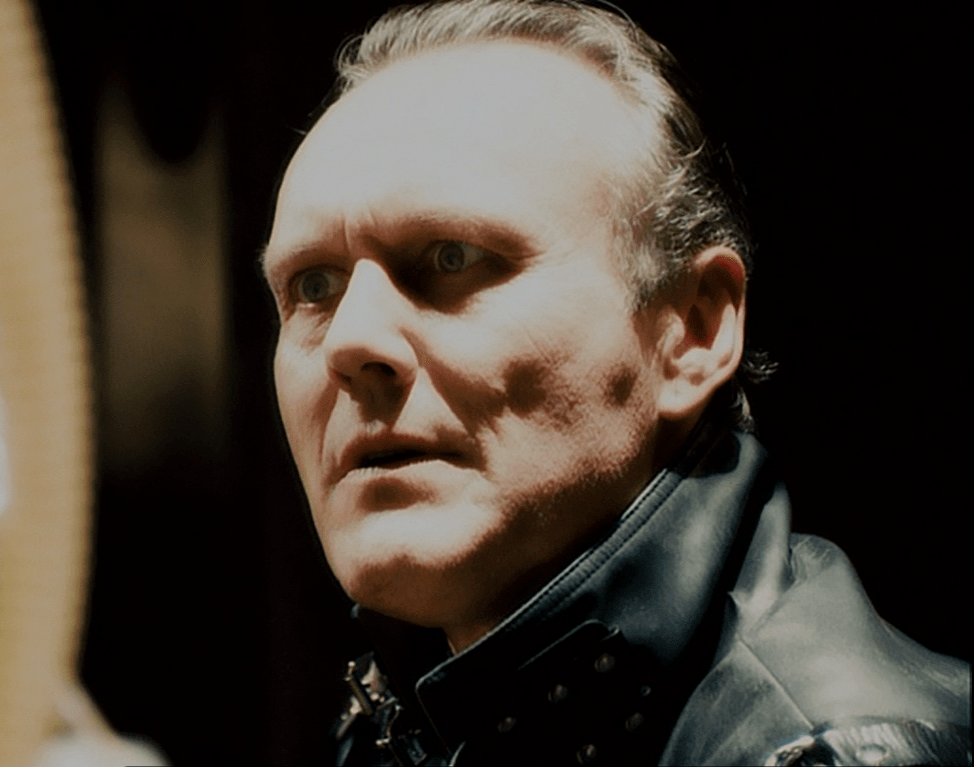
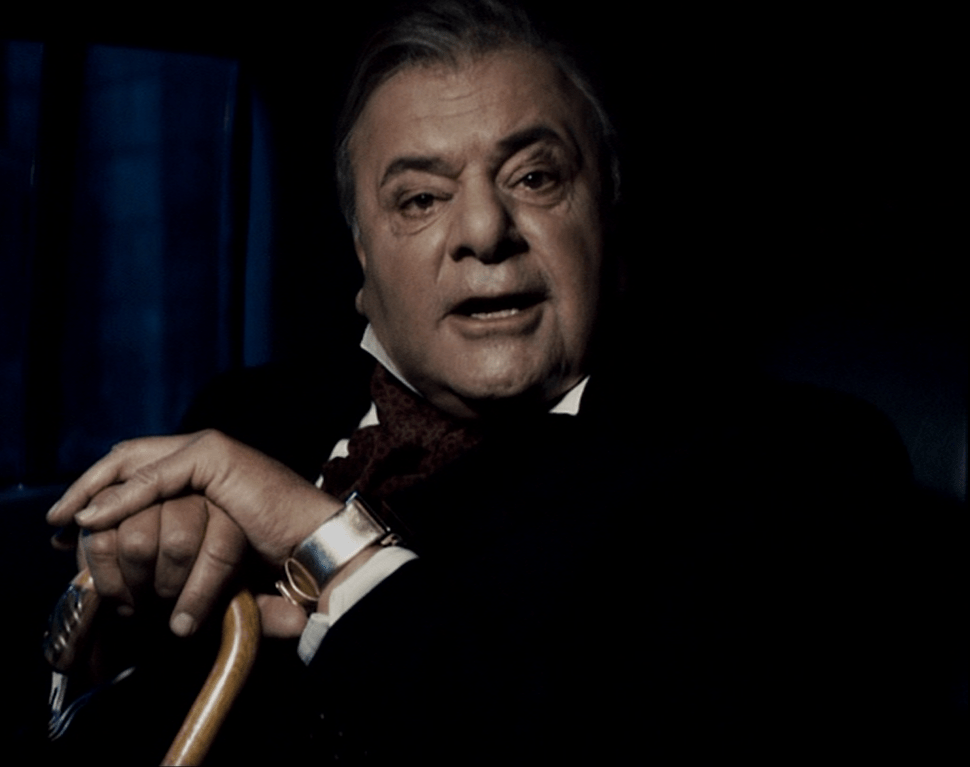
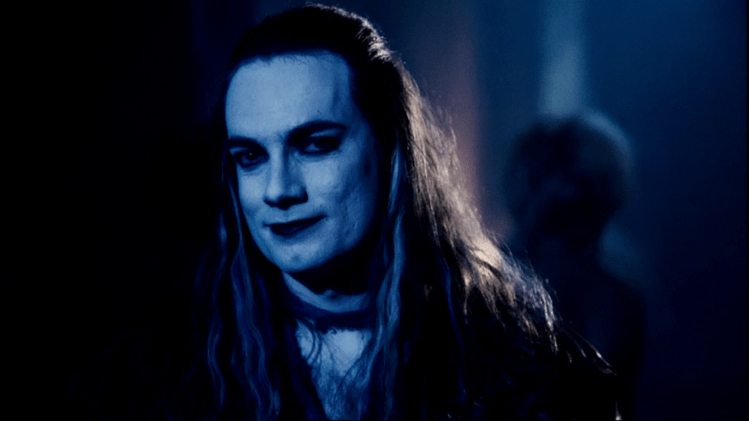
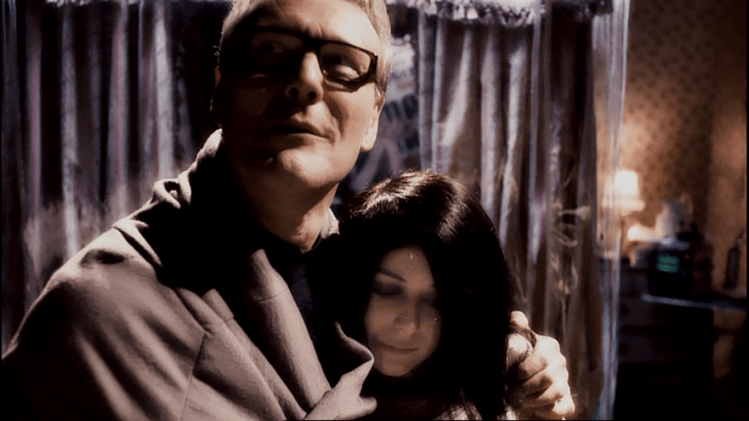
I neglected to bring it up earlier but the film’s cast is truly magnificent. In the main roles we have Anthony Stewart Head (Giles from Buffy) as Nathan, Alexa Vega as Shilo, who many would know as Juni from the Spy Kids franchise (of all places), Paul Sorvino as Rotti Largo, perhaps best known from Romeo + Juliet and Goodfellas, and Sarah Brightman as Blind Mag, the original Christine from Phantom of the Opera. Even the supporting cast is a veritable “who’s who” of indie acts and oddity. Amber Sweet is played by Paris Hilton – and is one of the more nuanced characters, if you can believe it. Luigi and Pavi Largo are played respectively by Bill Moseley, known for his work with Rob Zombie, and Nivek Ogre of industrial rock band OhGr. Terrance Zdunich appears as the Graverobber, guiding Shilo through the city as well as being Amber’s drug dealer. Half the fun of this film is watching a cast of complete non-actors share the screen with juggernauts such as Head and Brightman, and it just works by some stretch of the imagination.


Music
As I mentioned, the music can be somewhat hit and miss, which in an opera is unfortunate. While it is a subversion of expectations, like all things, there is a fine line between the ironically bad and the truly bad. There are several scenes where the songs are powerfully emotional, where they function as part of the plot. Two numbers in particularly, Nathan and Shilo’s duet of “Let the Monster Rise” when she discovers her father’s secret as a Repo Man, where the persona of the Repo Man slowly overtakes Nathan’s consciousness (represented by disembodied voices taking over the response otherwise provided by Shilo) is brilliantly acted and sang by Head, as well as Vega’s fury towards her father being palpable. The other example, Blind Mag’s “Chromaggia” is a straight operatic piece,telling the story of a crow who, in an attempt to shake off an arrow in it’s side, injures everyone around it. The parallels to Mag’s own backstory are almost painfully obvious, but it highlights the turmoil she has felt for what happened to Marni.
thesearelyrics1 for the video!
The Graverobber is far and away the most entertaining character to just observe through the film. He also has parts in the better songs of the film in my opinion, such as “21st Century Cure” (just when you think screamo opera doesn’t work) and “Zydrate Anatomy,” which is the most well known song from the film.
On the flip side, we have the likes of “Seventeen”, Shilo’s rebellion song as she acts out against Nathan. While the song itself is quite good, arguably Vega’s best song in the film, the framing of it in the context of the story is problematic. It comes quite literally out of nowhere during an argument between the pair, the lights go down and when they come back up, Shilo’s room is suddenly turned into a stage, complete with random Joan Jett cameo. Better yet, when it ends abruptly, the scene switches back to normal between shots, calling into question the entire segment as being Shilo’s imagination (Nathan interacting with the stage renders this moot) or something else entirely. A clever subversion of audience expectations, yes, but when it is the only way the situation is played, then it becomes the new norm – and a bad norm at that.
Conclusion
Overall, while it is messy and a bit problematic in some aspects, for a first attempt at a concept album/rock opera film, Repo! delivers a truly unique experience. The gothic visuals will appeal to anyone who ever went through that phase where Disintegration by The Cure was the greatest album ever, the music has what can only be described as a “garage opera” sound and, at its worst, still functions, and the singers are earnest in their approaches to the different songs. I can recommend Repo!, but if you’re at all hesitant on the concept, I would suggest getting…..erm, “hydrated” beforehand to help stomach some of the more questionable parts of the film.
Next time, I’ll be looking at the next collaboration between Zdunich and Bousman, The Devil’s Carnival duology. Until then, happy watching! If you have any questions be sure to email us at dweebsdomovies@gmail.com, and follow our Insta and Twitter while you’re at it.
Cause we all end up in a tiny pine box
Graverobber in “Epitaph”, bidding us farewell at the film’s end in typical Repo! fashion
A mighty small drop in a mighty dark plot
And the mighty fine print hastens the trip to our epilogue
 Dweebs Do Movies