
With Repo!, Zdunich and Bousman had acquired a sizable cult following and were eager to build on the success. However, “cult” is really the only word to describe it – the film made back a fraction of its budget and the only “award” it gained was the Golden Raspberry Award for Worst Supporting Actress to Paris Hilton – largely due to it being Paris Hilton. Three of its songs were shortlisted for the Academy Award for Best Original Song, but none were nominated beyond the shortlist stage. The film also suffered from mixed to negative critical reception, with critics strongly disliking the soundtrack and the length. Not to be discouraged by this, however, the pair decided to move onto another project they were working on, 2012’s The Devil’s Carnival.
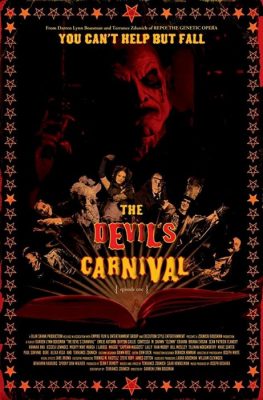
Plot
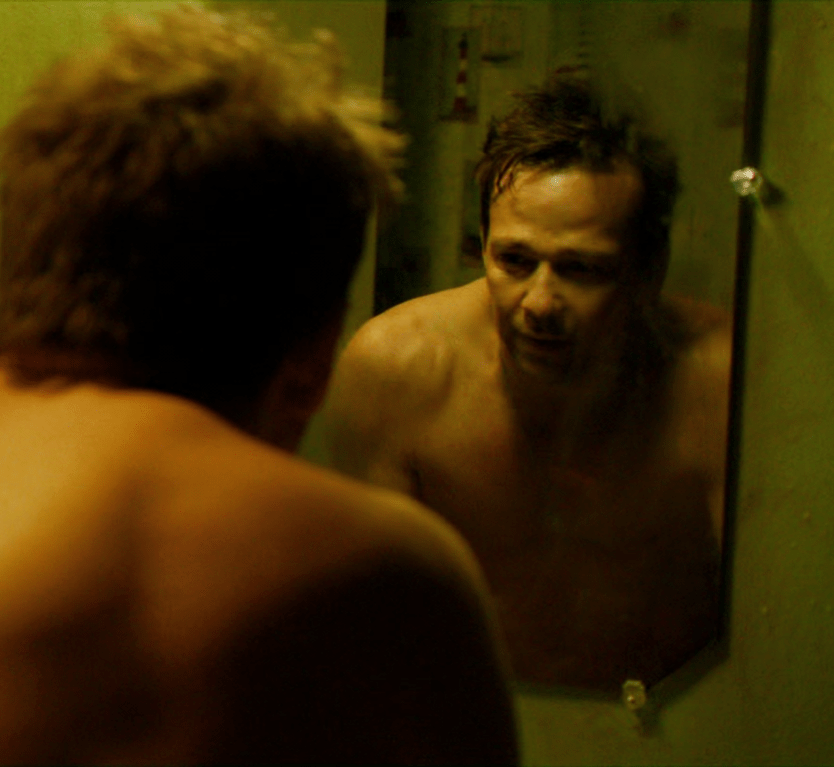
The basic premise is simple: sinners, representing different Aesop’s Fables find themselves stuck in hell, here imagined as a literal carnival. By following the Fables, the carnies chosen for that night’s performance could curry favour with Lucifer. The first film follows three sinners: Miss Merrywood, a gloriously greedy con artist played by scream queen Briana Evigan, Tamara, a gullible teenager played by 90210 actress Jessica Lowndes, and John, a father desperately searching for his deceased son Daniel, played by Bousman’s fellow Saw alumnus Sean Patrick Flanery.
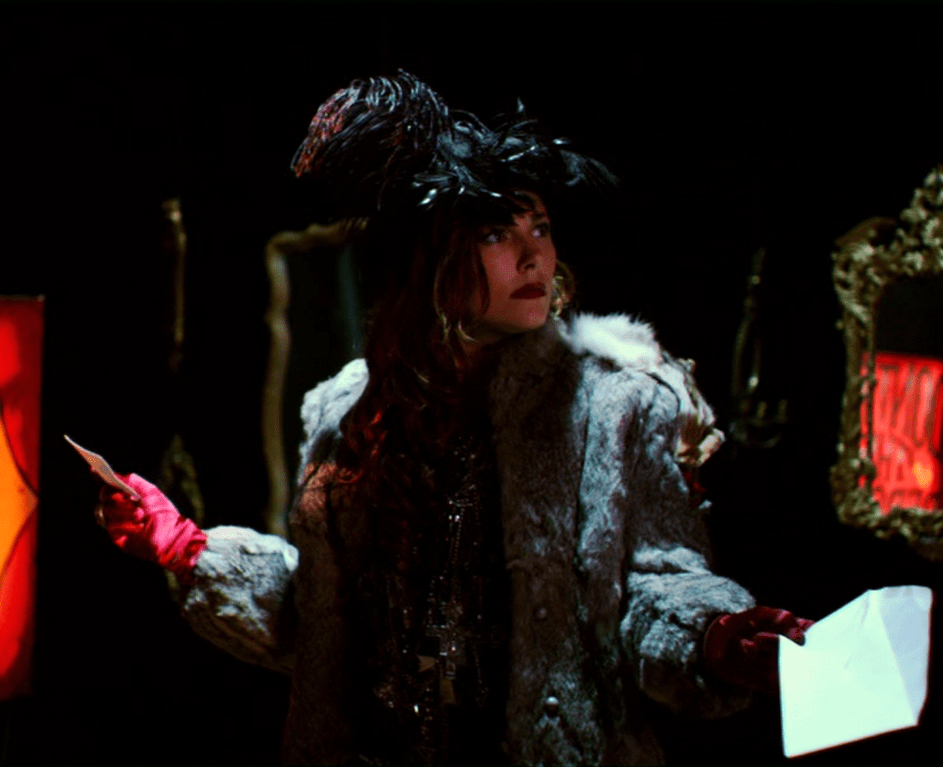

Cast
A large number of the cast of Repo! return as members of the carnival, with Paul Sorvino playing God in a few scenes. Bill Moseley and Nivek Ogre reappear as the Magician, a pitiful carnie, and the Twin, who can shapeshift into anyone he pleases, respectively. Alexa Vega has a small piece as the leader of a group called the Woe-Maidens, while Terrance Zdunich upgrades to play Lucifer.
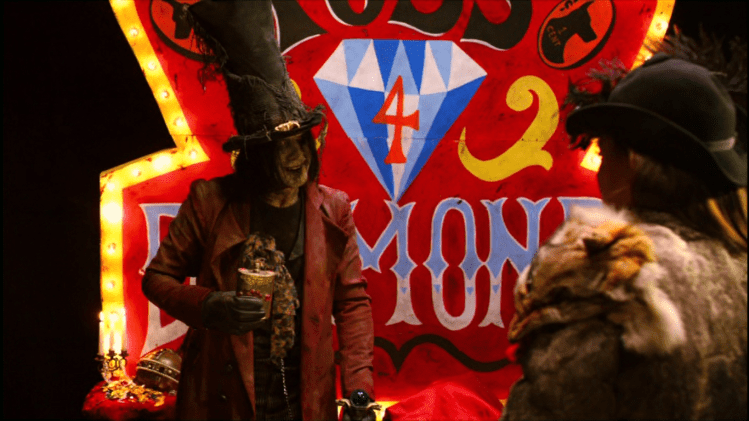
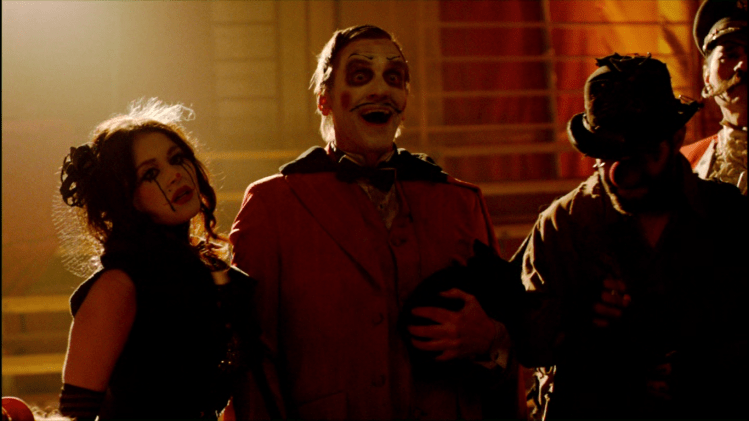
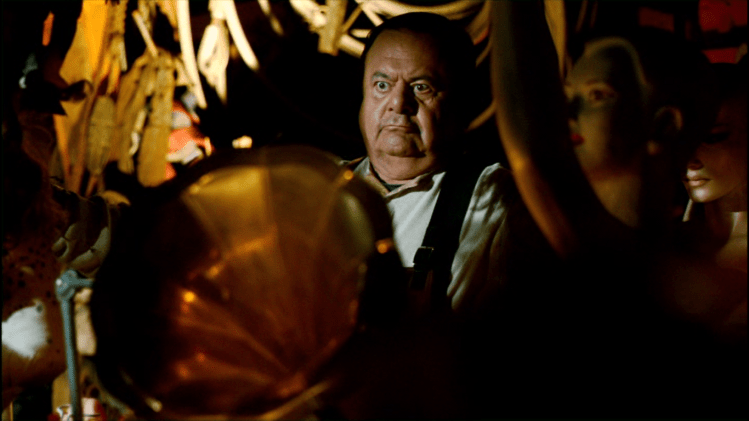
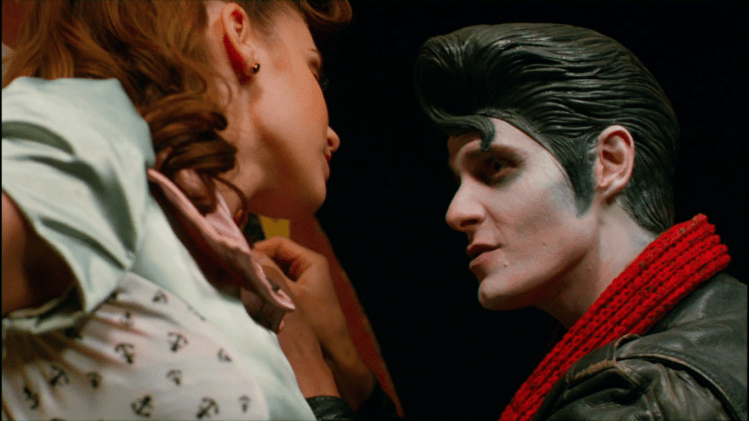
Joining the cast are fantasy pop singer Emilie Autumn as the demented Painted Doll (we’ll discuss her more in the next post), Mark Senter, best known for playing the lead in award winning film The Lost as the manipulative and charming Scorpion, Sons of Anarchy actor Dayton Callie as the Ticket Keeper, the rule obsessed second in command of the carnival, and various other cult acts appear in bit parts. Ivan Moody, lead singer of heavy metal band Five Finger Death Punch, appears in a couple of scenes as the Hobo Clown, and Clown, lead singer of Slipknot, appears as the silent but intimidating Tamer, who enforces the rules on the Ticket Keeper’s behalf.


Music
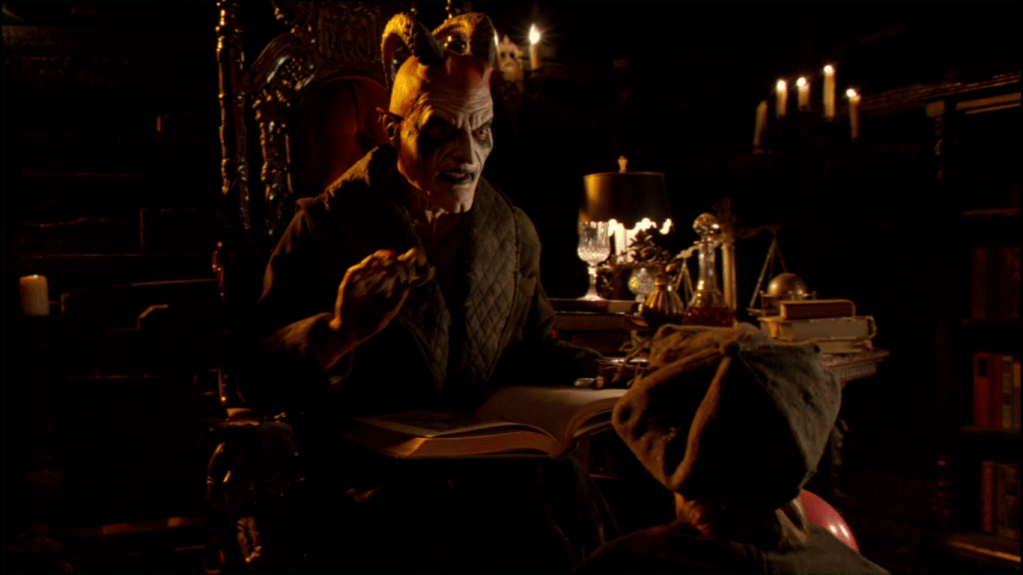
The much more streamlined nature of the plot does an amazing service to the pacing, as for a film that isn’t even an hour long it moves at such a steady pace that it feels much longer. The change to a standard musical structure also helps the film immensely, as it means that the songs that are present are excellent quality and, barring one or two that I will talk about, relevant and necessary to the point where they are used, something Repo! suffered from. The opening scene of the sinners meeting their demise – Ms Merrywood in a shootout, Tamara being shot by her boyfriend and John slitting his wrists in grief – is set to the ethereal “Heaven’s All Around,” espousing the virtues of not worrying chilled me in a Kubrickian way, and that’s the first three minutes. While the three sinners are generally kept separate, Lucifer reading the Fables to an illusion of Daniel connects the stories as the trio become unwilling participants.

While it is made clear what Fable relates to what sinner – The Dog and Her Reflection for Ms Merrywood, The Scorpion and the Frog for Tamara and Grief and His Due for John – the way it is portrayed does rely on stretches of logic sometimes. Tamara’s gullibility in particular, as the Scorpion persuades her to release him after he disobeys the Ticket Keeper (“A rebel in Hell. How original.”) and then make her believe that he loves her, only to walk in on him and the Painted Doll and still believe she’s “his gal” suspends disbelief just a little bit too much.

As I said before, the film is a standard musical, with 12 original songs over the 55 minute runtime. Each sinner (bar John) gets 2 songs each, one for when they are being tempted to give into their temptations, and one sang by the carnies for when they are being punished. The animal themes are used effectively for Tamara and Ms Merrywood’s songs, “Prick! Goes the Scorpion’s Tale” sang by the Painted Doll and “A Penny for a Tale” by the Hobo Clown, which are essentially musical versions of their respective fables. In a nice thematic touch, Tamara’s other song, “Trust Me”, is not sang by her, but by the Scorpion, reflecting his manipulative nature. The song itself is eerie and slightly discordant, with the lyrics slowly changing from appreciation to possessive (“You’re a bad little love and I’m yours” to “You’re a bad little love and you’re mine” between the two verses) along with the chorus chastising her for not trusting him gives the Scorpion this horribly believable characterisation as a charming manipulator, all brilliantly acted by Senter.

John’s song, “Grief”, is a duet between him and Lucifer, as He has taken special interest in John’s frantic search for Daniel. The number is hauntingly creepy, with Zdunich’s deep voice imploring John to keep grieving and searching, all while sending him through a haunted house outfitted with scenes of his life, including the bathroom at the start where he killed himself. This is in line with the fable, which is a tale against grieving for too long lest Grief send more reasons for tears. At the end of the house John comes face to face with Lucifer and, to his surprise, absolves himself of his sin by refusing to grieve any more. This allows John to return to Heaven – surprising the Ticket Keeper (“You let one of them go, sire? To Heaven? …The rules”) and God himself. This leads us into the sequel, Alleluia! The Devil’s Carnival.
Conclusion
As is probably clear through this post, I adore this film. While like all things, it has its flaws, the story is simple but tightly written, the set design is fantastic, the cast is perfect and the songs are the sort of thing I throw on of a lazy Sunday afternoon (…..anyway), and I haven’t even mentioned how it achieves this with a fraction of Repo‘s budget. Both this film and it’s sequel were made on a million dollars each, and considering what they could do with that, in spite of the issues they faced, this film is almost perfect. Even the little details that are brought up throughout the film – the Ticket Keeper’s obsession with Rule no. 62, first brought up in his song “666” (what else were you expecting), is brought up in a more serious context towards the end – only for the credits to reveal that the first rule of Hell is “No Refunds.” The brand of humour is subjective, but I adore it. Even in some scenes where some of the stock sound effects stick out like a sore thumb – especially in the climax – it adds to the demented comedy feel of the carnival as a whole. Overall, can’t recommend it enough!
Next time, I’ll be looking at the sequel, Alleluia! The Devil’s Carnival. Just remember: fa-la-la, it’s off to hell we go!
 Dweebs Do Movies